7 Billion: Why this milestone is important for women and the environment
By Victoria Markham
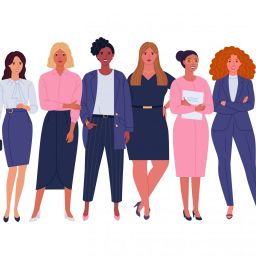
This month the UN reports <http://www.unfpa.org/public> that the world population will hit a significant population milestone, 7 billion people. This has significance for us all, especially in its environment and development impacts - and women are key. Women play a central role from two opposing perspectives: on one side they are especially vulnerable to the environmental changes now occurring (such as drought, sea level rise and/or more frequent, severe storms caused by human-induced climatic change), yet on the flip side, they can also be powerful change agents, with strong leadership roles in addressing the issues.
Women and girls are uniquely affected by these environmental changes in several ways, for example:
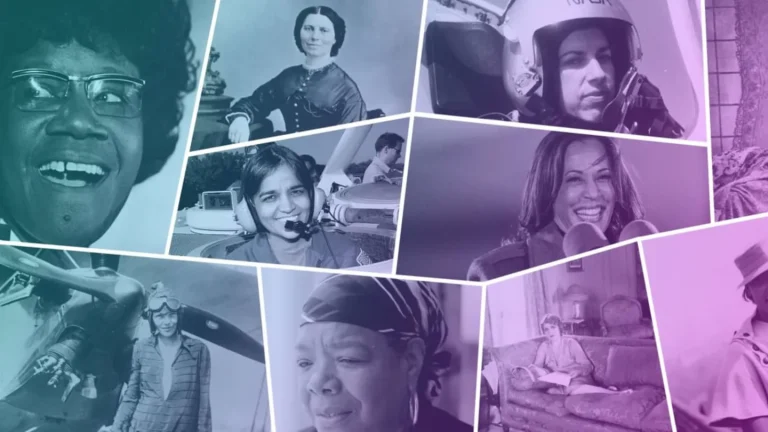
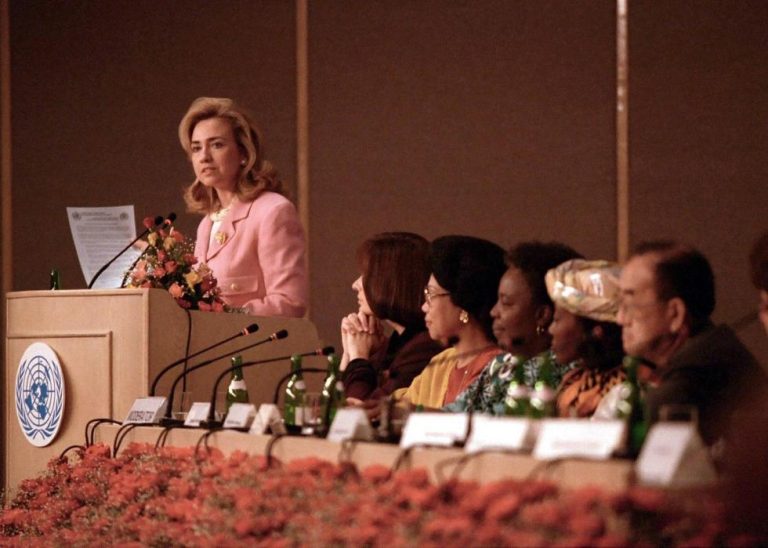
On the flip side, women can also be powerful agents for leadership and change on these issues, not only in their own communities, but also in the international arena if given the opportunity.
As an example, Dr. Wangari Maathai, Nobel Prize Laureate, utilized her message of women's empowerment and environmental sustainability through the Green Belt Movement <http://greenbeltmovement.org/w.php?id=61> (GBM), which she founded to encourage Kenyan women to plant trees as both a livelihood, and to reforest the denuded countryside. Eventually her community-based model of extensive networks of women planters reached well beyond her nation's borders, and is now an international movement encompassing tree planting, grassroots organization, and women and girl's empowerment through conservation and development. Prof. Maathai said, "Women's voices are largely absent from policy discussions and negotiations over global warming. Their experiences, creativity and leadership must be part of the solution." She did something about it, with much success - an example of a woman leader who understood the power of grassroots change and organization, political savvy, and local to global linkages for messages that resonate at the global level on key environment and development issues.
So what can be done to empower women and girls in the face of a growing planetary population, with multiple pressures? A multi-faceted approach for all countries and global development initiatives come to mind: to empower women and girls through universal access to education, concrete political and economic opportunities, and good quality reproductive health. These are not now undertaken as a matter of course in most developing nations. In rural Africa, for example, 70% of girls do not complete primary school; regarding reproductive health, about 215 million women in developing countries who would like it lack access to effective family planning.
There is plenty of hard evidence that shows investing in women and girls is both cost-effective and essential, to solving the challenges facing today's world. When women and girls are healthy, educated and can contribute fully to society, they become effective change agents, triggering progress in themselves, their families, communities and nations, improving prospects for current and future generations.
With our world now at 7 billion, we live in a place that our forbearers would not recognize; we must respond with new, better-honed awareness and strategic actions that respond to the new numbers and their implications, highlighting women as key players in meeting the needs of all, for a sustainable and equitable planet that is 7 billion-strong, and growing.
Vicky Markham, Director, Center for Environment and Population (CEP) www.cepnet.org
Sources: UNFPA, Center for Environment and Population (CEP), Climate Wise Women, National Geographic Society, WEDO, Population Action International, IUCN, UNFAO, World Bank, Oxfam International.